FIFA World Cup 2026 · Group G · Matchday 2 · AT&T Stadium, Dallas · 21 June 2026
Belgium 0–0 Iran
This was not a game for the football romantic; it was a grueling, intellectual chess match that Team Melli won without ever needing to score. Behind the raw 72% possession figure enjoyed by Belgium lies the reality: Domenico Tedesco's tactical framework played directly into the hands of Amir Ghalenoei's defensive masterclass.
The Tactical Anatomy: How the Match Was Won
Belgium's Static Possession: Belgium lined up in a nominal 4-2-3-1, but in practice, it became an incredibly stagnant 2-4-4. With the full-backs hesitant to overlap deeply for fear of Iran's lethal counter-attacks, Jeremy Doku and Johan Bakayoko found themselves continually isolated against low-block double-teams. The central spaces were completely congested, turning Belgium's possession into a slow, sideways horseshoe.
Iran's Ultra-Disciplined Low Block: Iran deployed a rigid, defensive 5-4-1 structure that operated with millimeter precision. The distance between their defensive line and midfield line never exceeded eight meters. They surrendered the flanks, allowing Belgium to cross at will, fully confident that their central defenders would dominate the aerial duels.
Chronology of Key Flashpoints
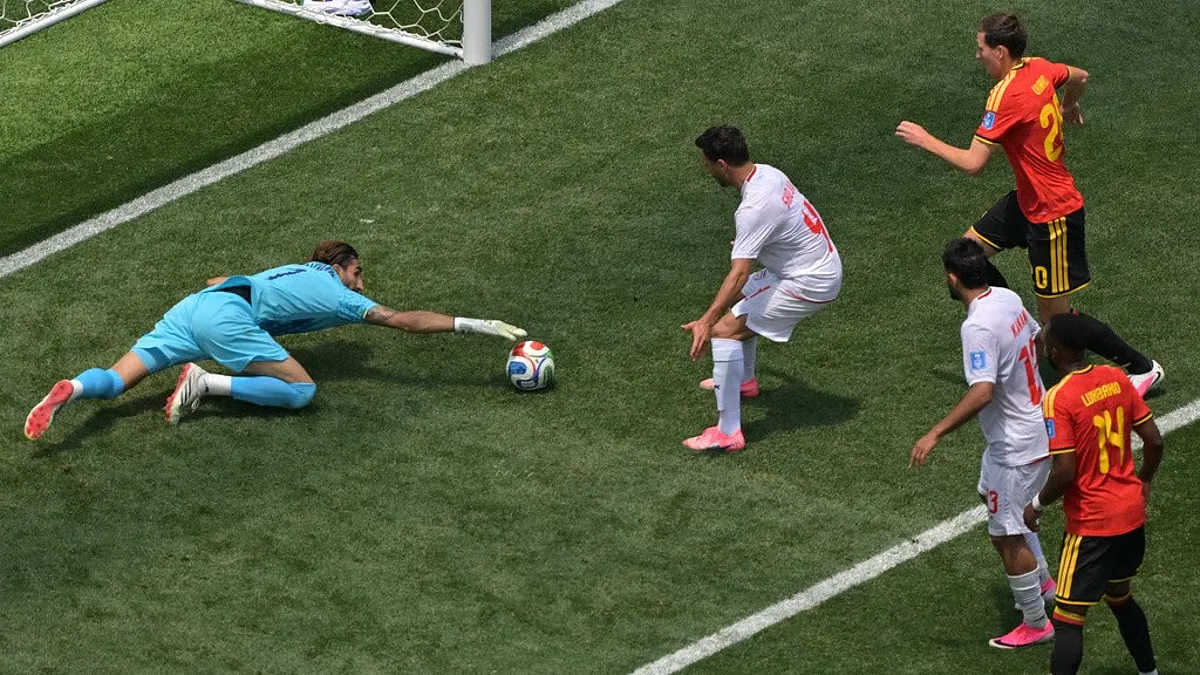
14th Minute (Major Opportunity): Belgium's best chance of the half fell to Romelu Lukaku. After a rare vertical slide-rule pass from Leandro Trossard, Lukaku used his strength to roll his marker but fired a low shot directly into the palms of Alireza Beiranvand.
38th Minute (Tactical Confrontation): Iran's midfield anchor Saeid Ezatolahi picked up a tactical yellow card for pulling back Kevin De Bruyne during a rare moment when Belgium managed to break into transition. A cynical but essential intervention.
55th Minute (Key Confrontation): Jeremy Doku looked to have beaten his man on the left wing, but a perfectly timed, thunderous slide tackle from Alireza Jahanbakhsh not only won the ball but cleared the danger, igniting the vocal Iranian supporters.
79th Minute (Injury Scare): Amadou Onana received a yellow card for an over-aggressive aerial challenge on Mehdi Taremi. The ensuing VAR check for a potential red card hung heavily over the stadium, but the original yellow stood.
Star Player Focus: The Defensive Monolith
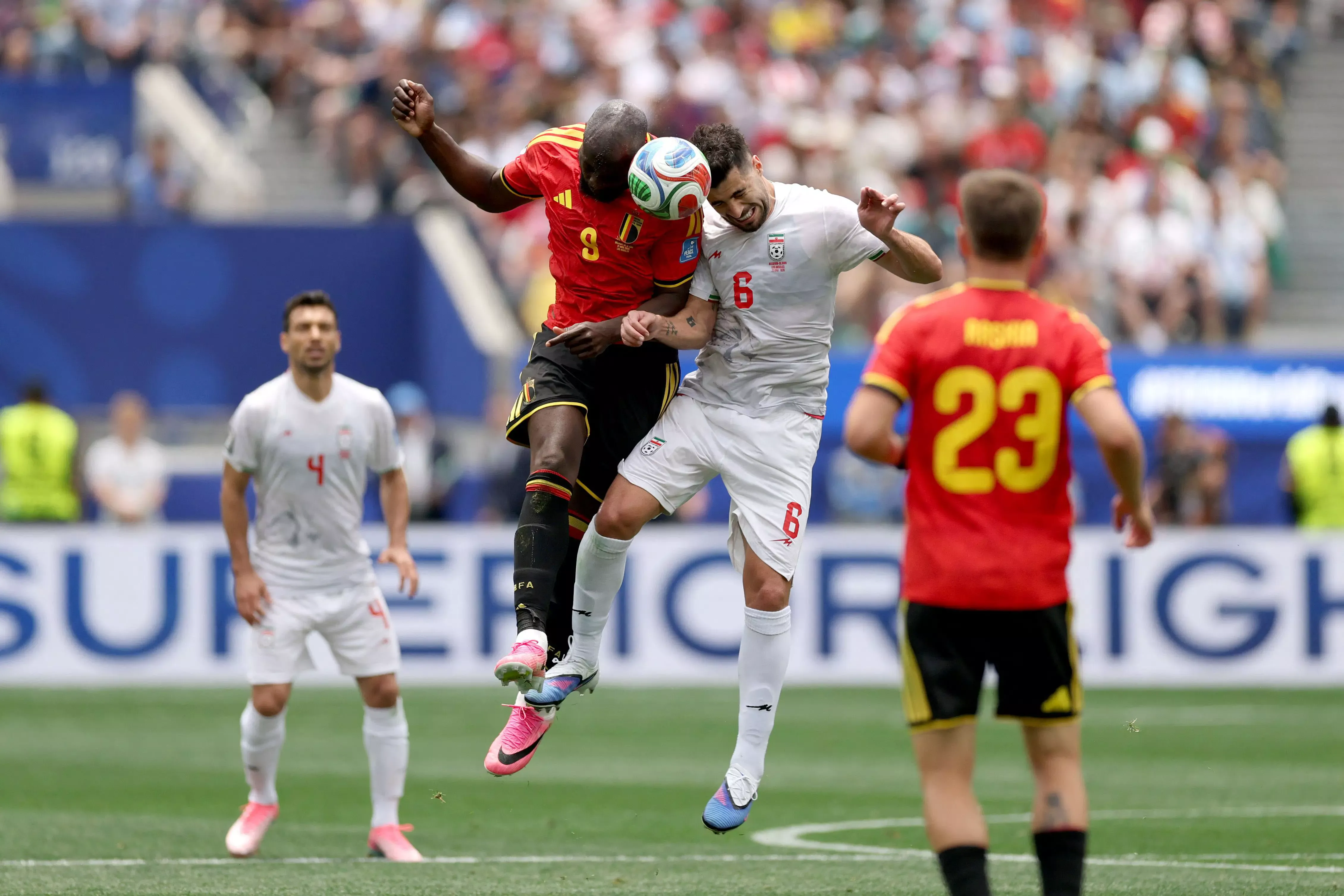
While the spotlight usually follows world-class attackers, the defining performance of this match belonged to Iranian center-back Shojae Khalilzadeh.
| KHALILZADEH'S DEFENSIVE PROFILE | |
| Aerial Duels Won | 7 / 8 (87.5%) |
| Clearances | 11 |
| Blocked Shots | 3 |
| Tackles Completed | 4 |
| Fouls Committed | 0 |
Khalilzadeh was single-handedly responsible for neutralizing Romelu Lukaku. He played a physical, front-footed defensive game, never allowing the Belgian striker to settle or turn with the ball. His structural reading of the game meant every single cross swung into the Iranian penalty box seemed to find his forehead.
The Managerial Chessboard
Domenico Tedesco (Belgium): Failed to provide an antidote to the low block. His insistence on keeping two holding midfielders against a team with zero intention of pressing high was a major tactical mistake. His substitutions were like-for-like and failed to alter the structural dynamics.
Amir Ghalenoei (Iran): Executed his plan to absolute perfection. By instructing his wingers to drop deep and form a temporary back six when necessary, he completely neutralized Belgium's biggest threats.
Group Standings & Qualification Outlook
Following this scoreless draw, both Belgium and Iran sit locked together with 1 point each in Group G. For Belgium, this represents two points dropped and puts immense pressure on their upcoming fixtures. For Iran, this point feels like a victory, giving them a fantastic foundation for qualification.
If Iran can maintain this level of defensive solidity while unlocking their potent counter-attack, knockout-stage football is a highly realistic objective for Ghalenoei's resilient squad.